

 浅舞酒造
浅舞酒造
Akita · Est. 1917
ASAMAI SHUZO
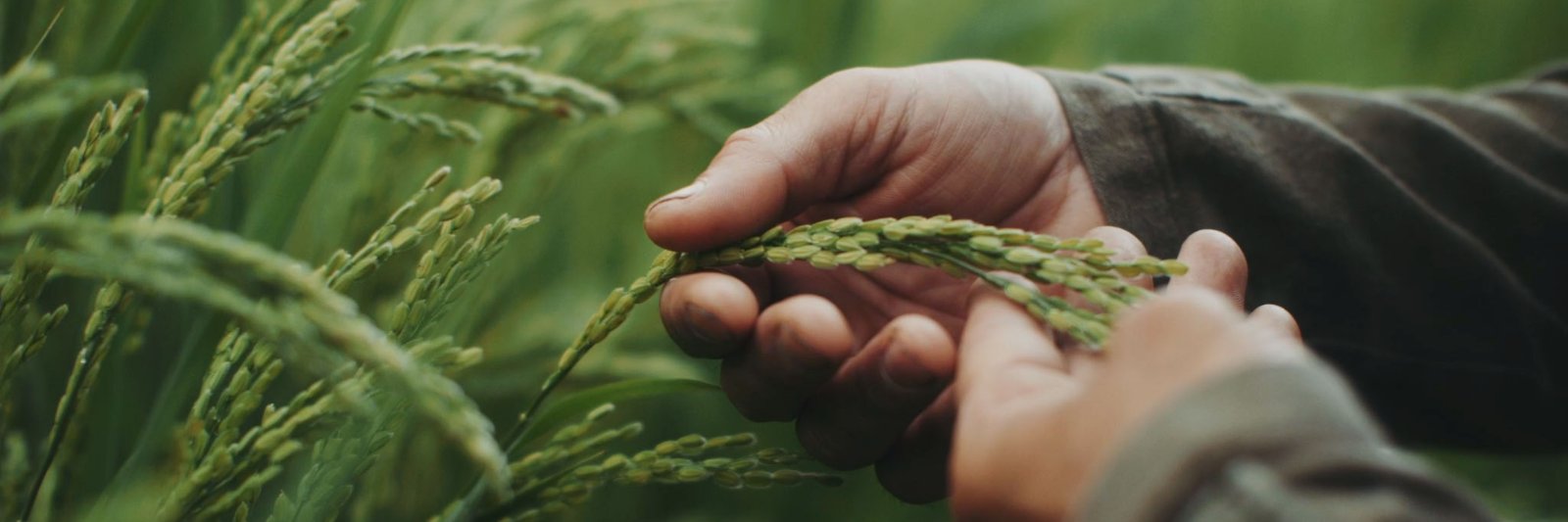
Sake Begins with Rice
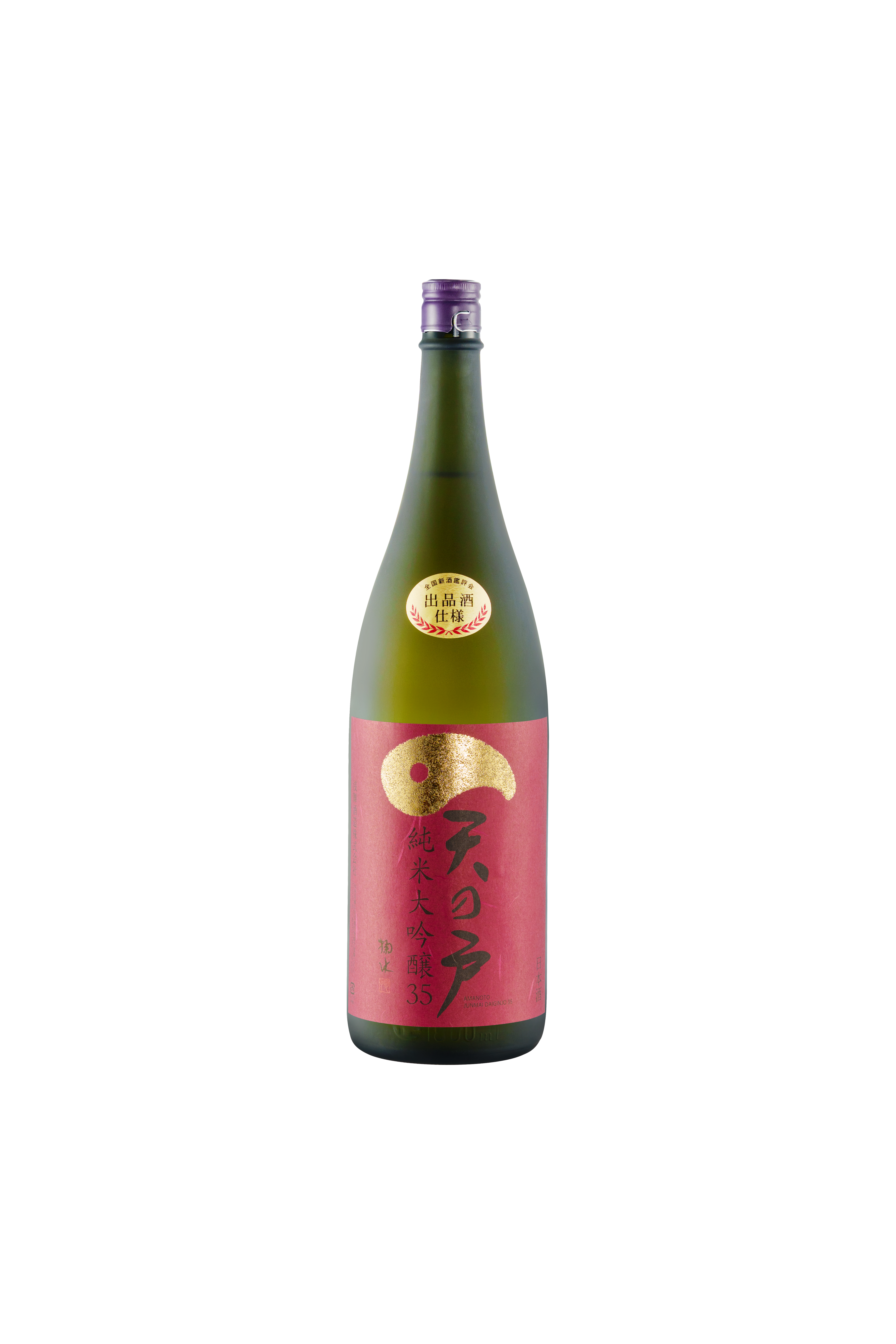
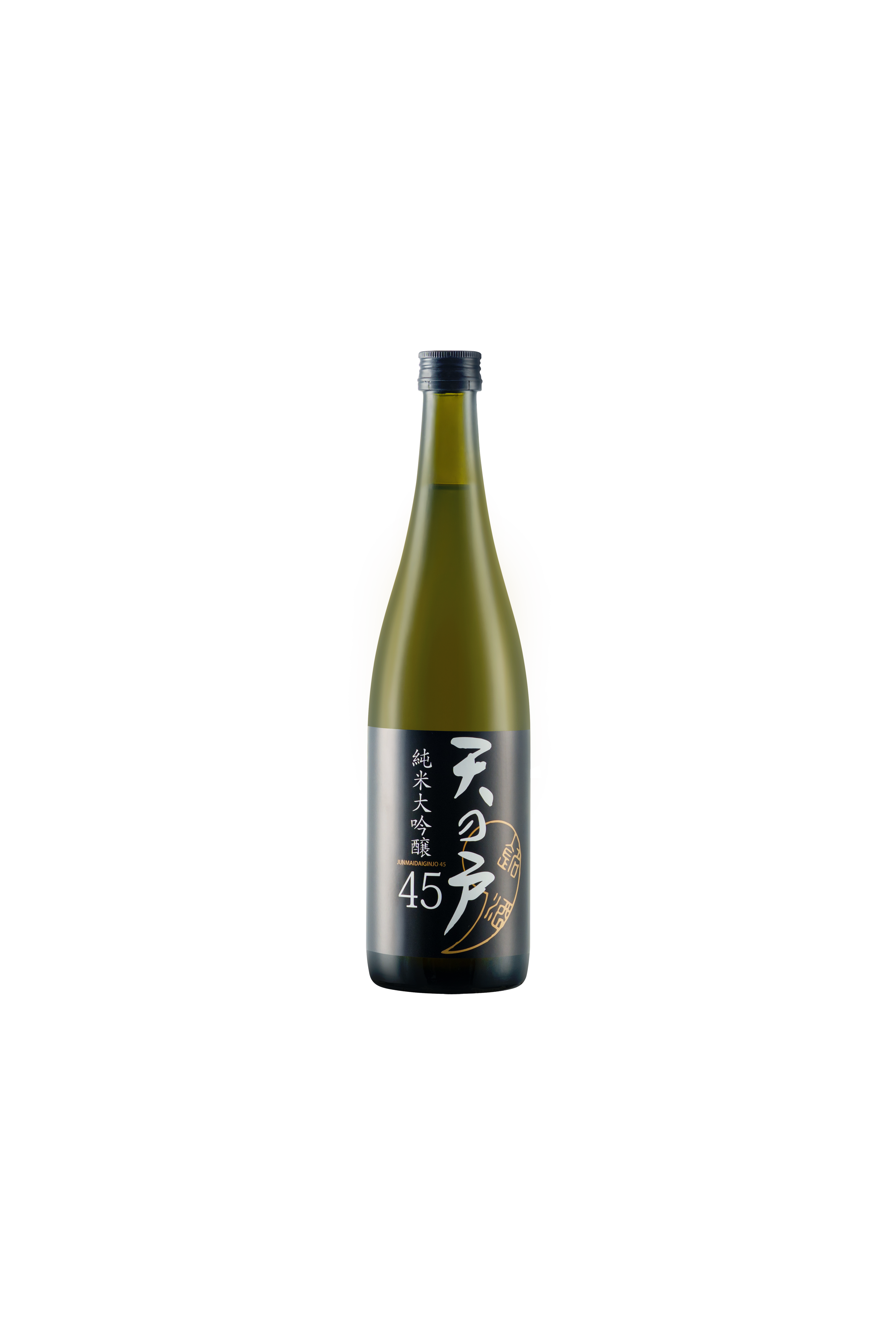
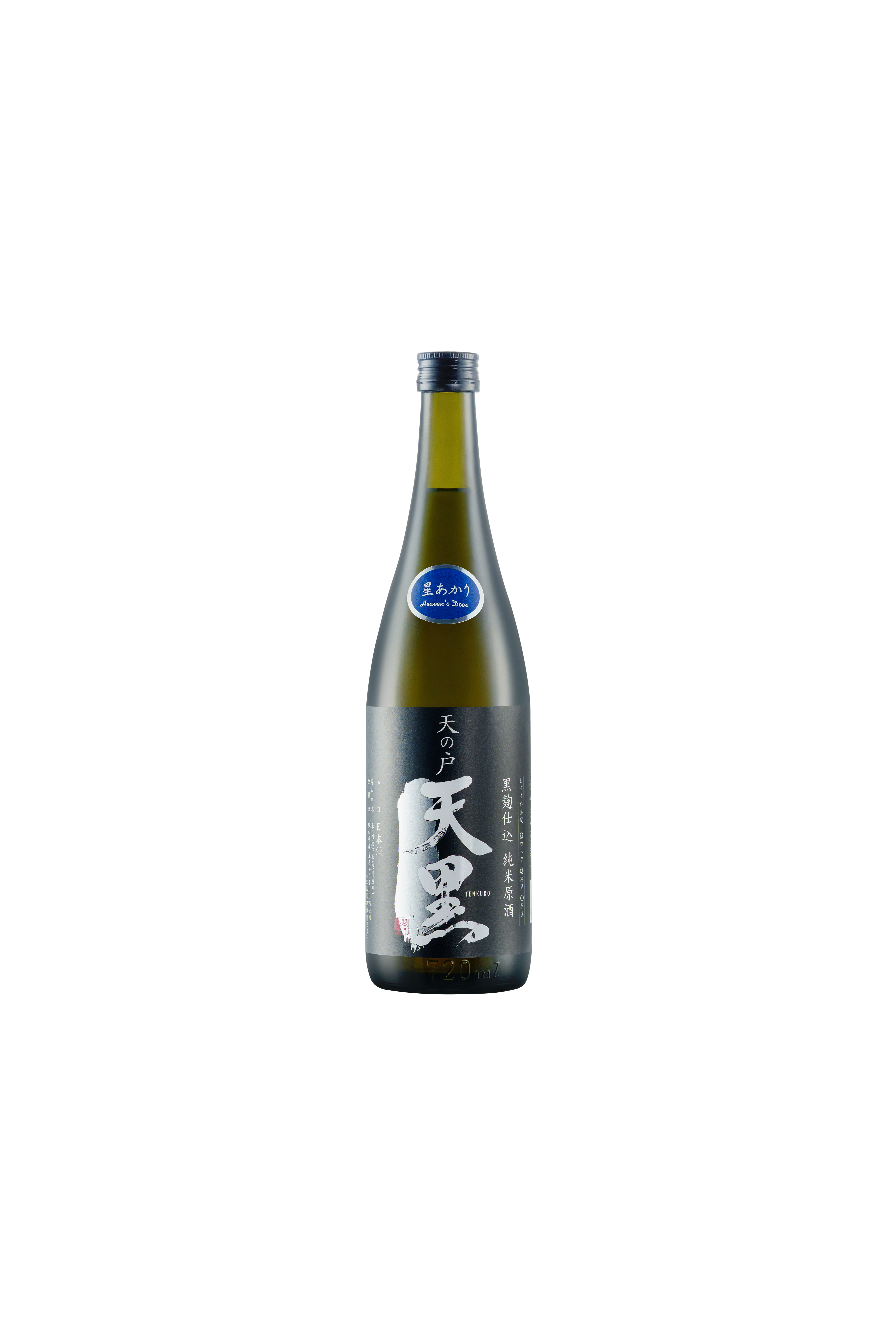
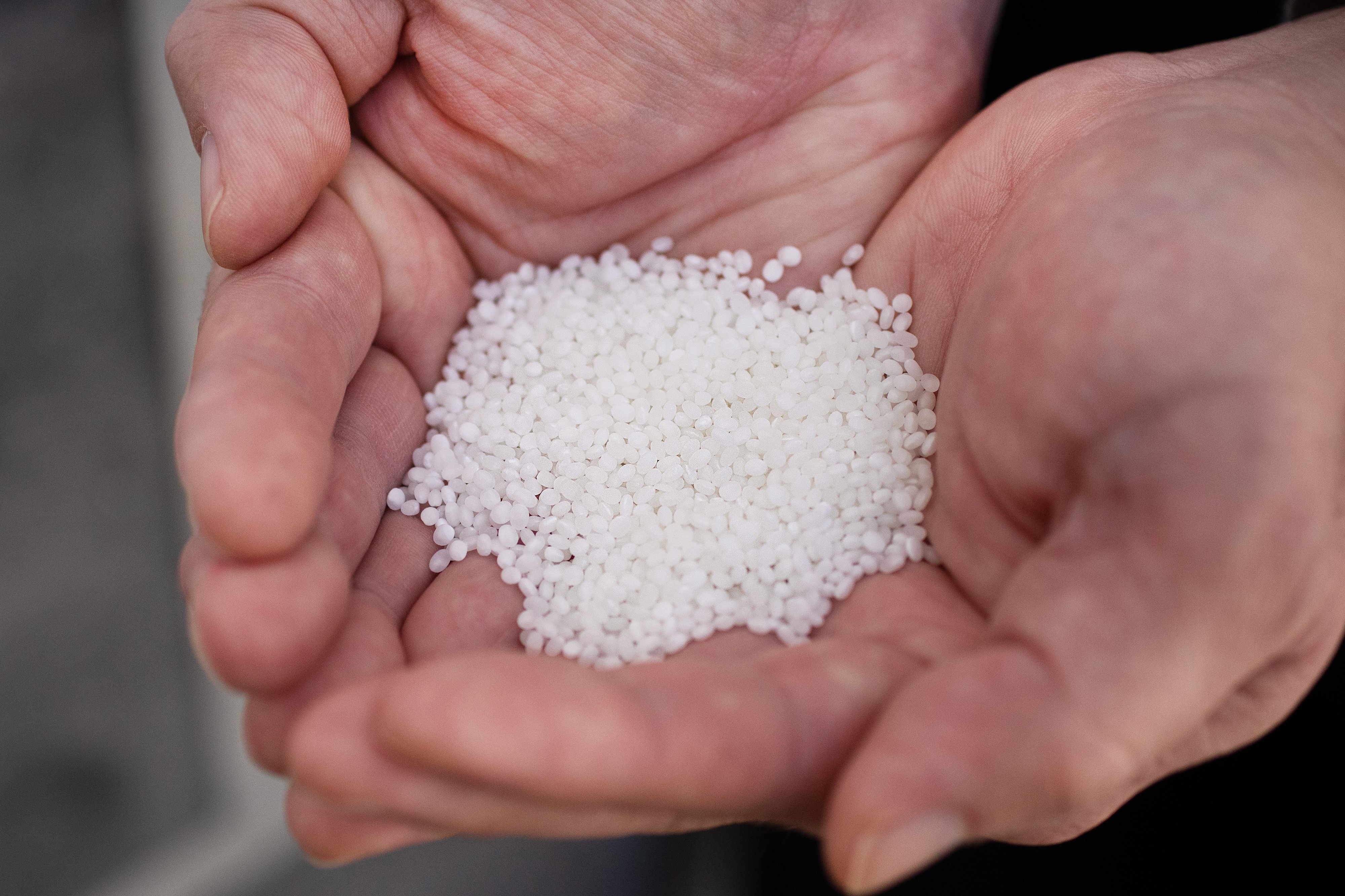
Committed to the philosophy that “sake begins with the rice,” Asamai Shuzo in Akita Prefecture produces only Junmai sake.
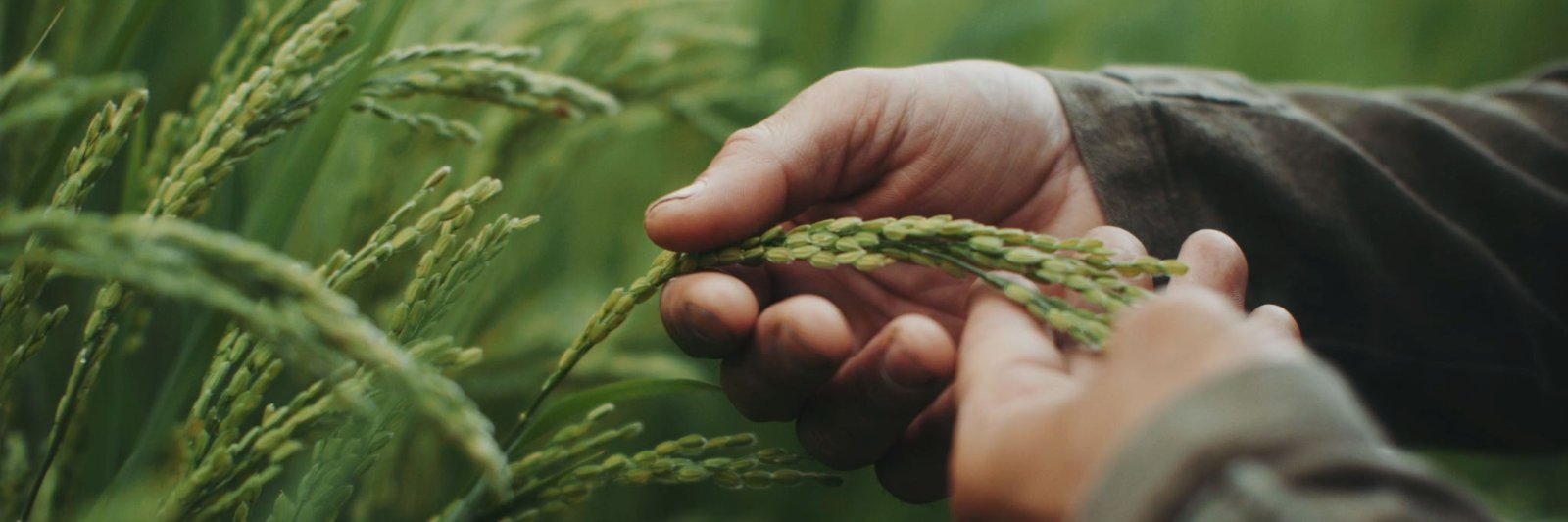
100% of the rice used is grown in Akita Prefecture. Among the varieties is Akitashu Komachi, one of the sake rice varieties developed specifically to thrive in the climate of the region.
Akita is one of Japan’s major sake rice-growing regions, known for its cold climate and heavy snowfall in winter.
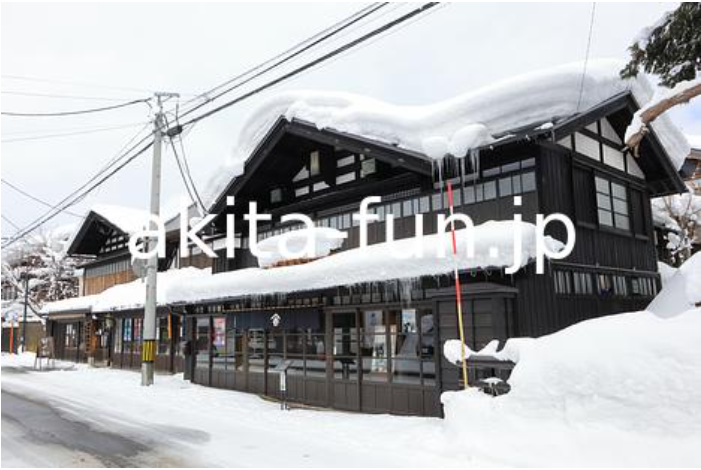
Photo: Akita Prefecture
These climatic conditions presented a unique challenge: how could a rice variety be developed with the characteristics needed for sake brewing, while also being well suited to Akita’s cold climate?
Those familiar with sake will likely know the name Yamada Nishiki.
Yamada Nishiki grains are large and plump, allowing them to be polished deeply with relatively little breakage. They also have a prominent, well-developed white core known as shinpaku, which provides an ideal environment for koji to grow. In many ways, it embodies the characteristics sought after in sake rice.
However, Yamada Nishiki is mainly cultivated in the warmer regions of western Japan. For Akita, developing a rice variety with similar characteristics that could also thrive in the colder climate of northeastern Japan was no small challenge.
Akitashu Komachi was born from this very ambition.
After nearly a decade of research and selective breeding, Akita Prefecture successfully developed a sake rice variety suited to the region.
Today, Akitashu Komachi is widely cultivated throughout Akita and has become one of Japan’s distinctive sake rice varieties.
Preserving Traditional Sake-Making Methods
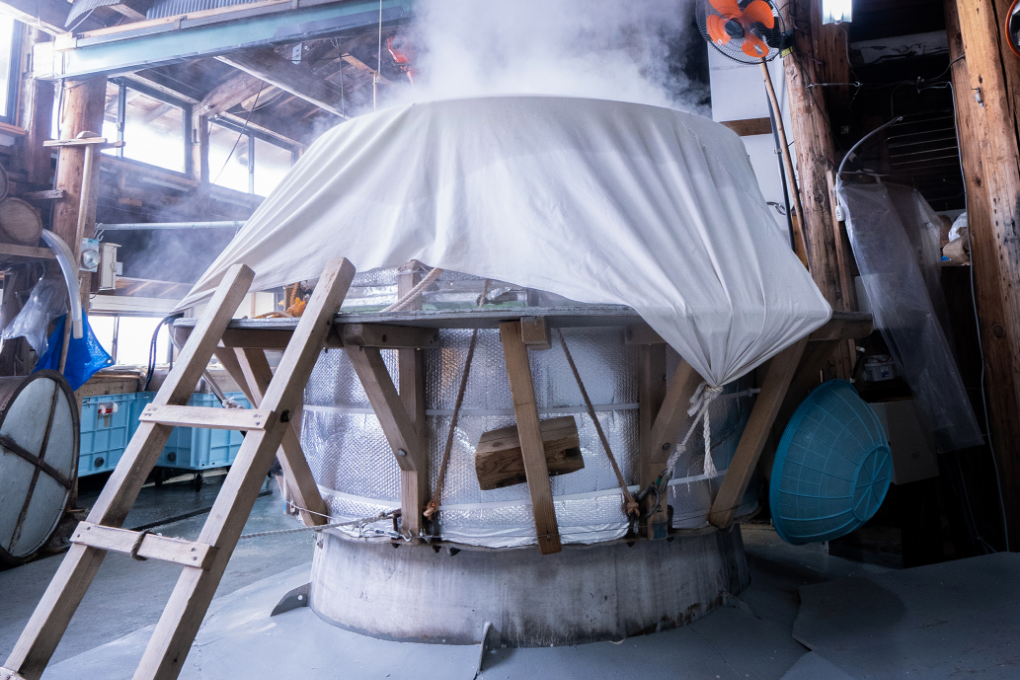
Photo: Traditional Japanese steaming kettle
Source: Asamai Shuzo
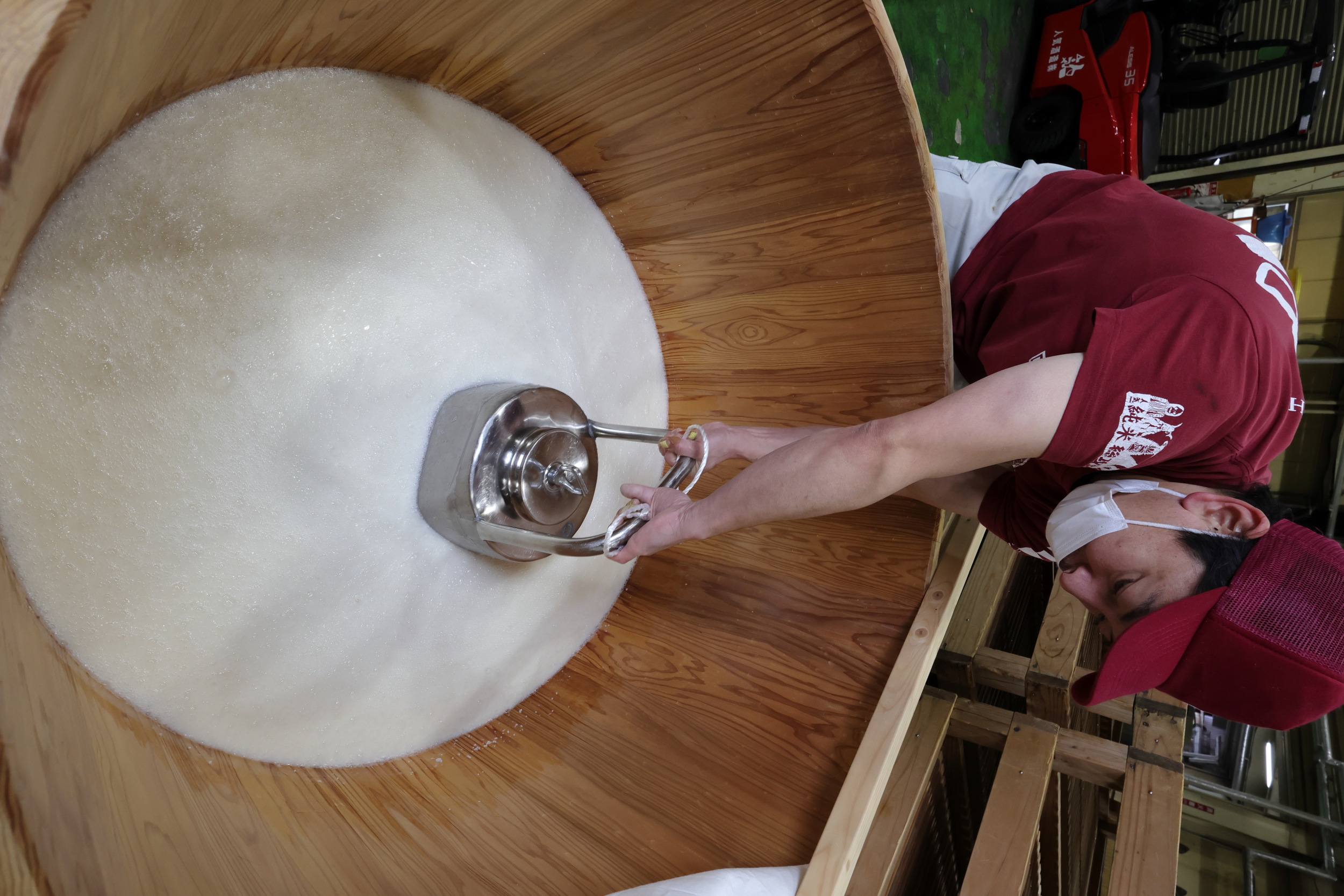
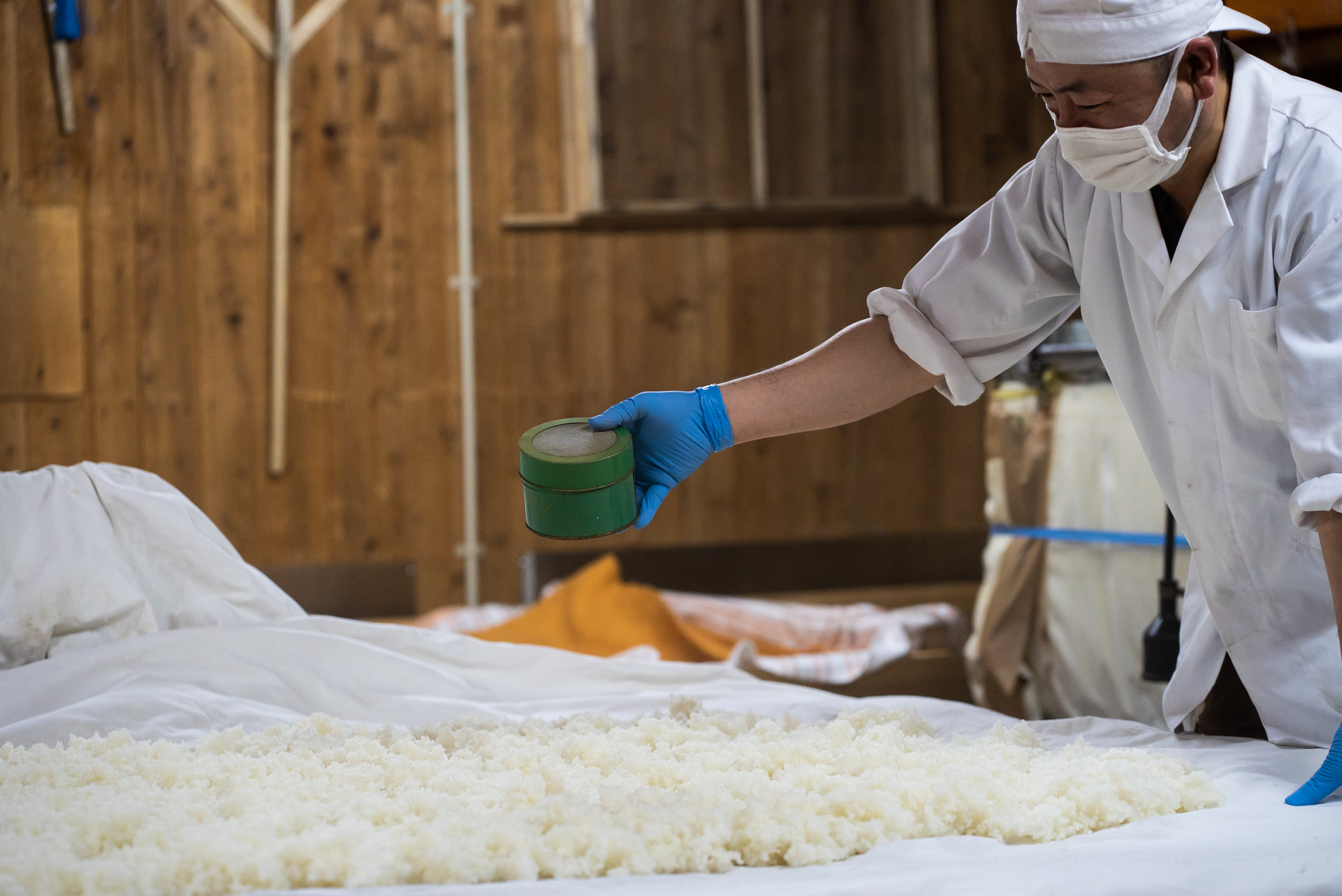
While many stages of sake production have become mechanized today, Asamai continues to embrace traditional handcrafting methods.
Even after the sake rice is carefully washed, Asamai still steams it using a traditional Japanese steaming kettle known as a wagama (和釜).
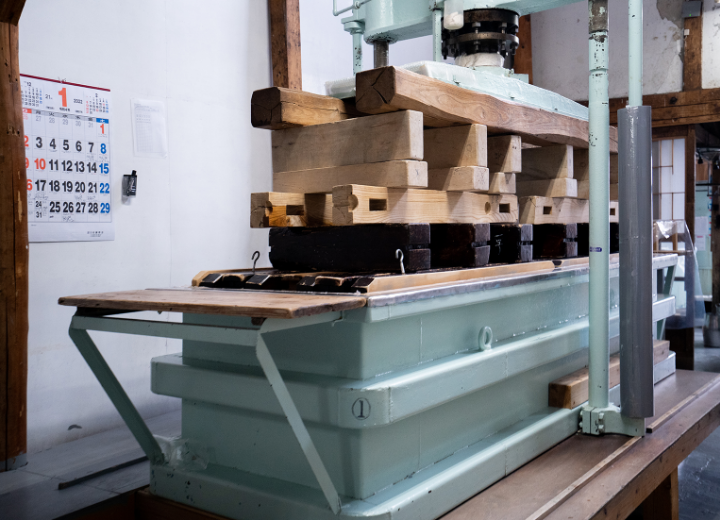
Photo: Traditional fune pressing method
Source: Asamai Shuzo
After fermentation, the sake is pressed to separate the liquid from the sake lees. Today, automatic pressing machines have become common at many breweries across Japan.
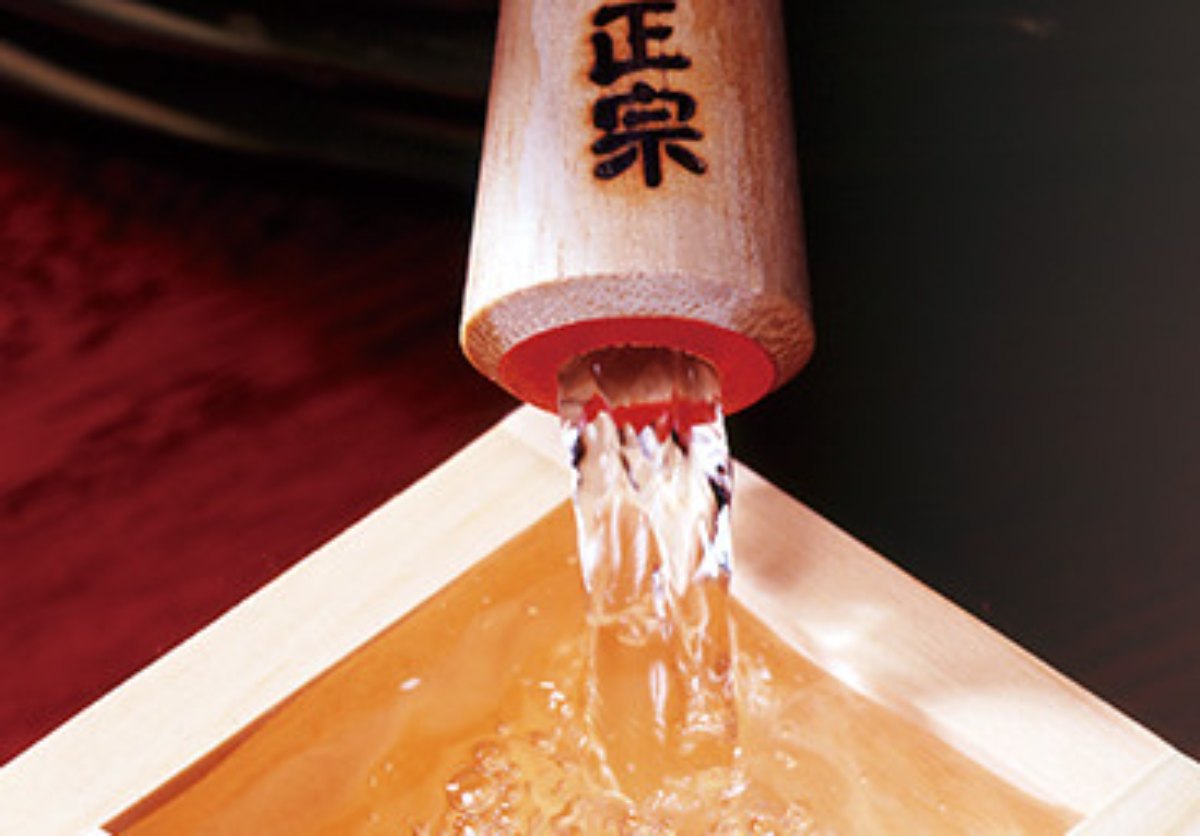
Asamai, however, continues to press all of its sake using the traditional fune-shibori (槽しぼり) method.
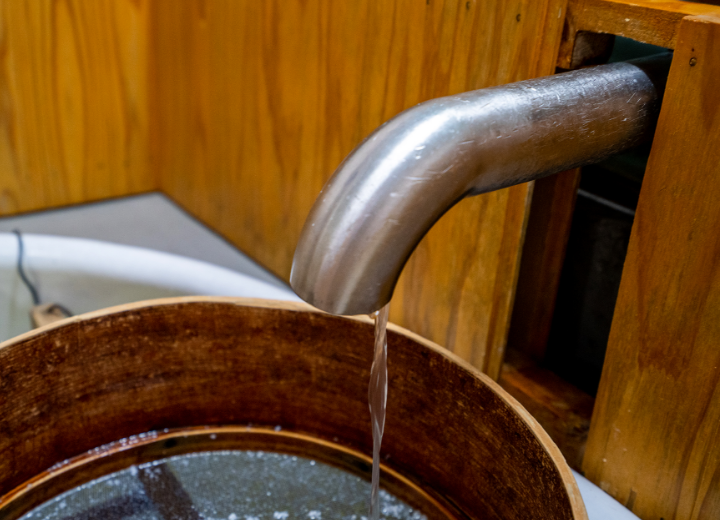
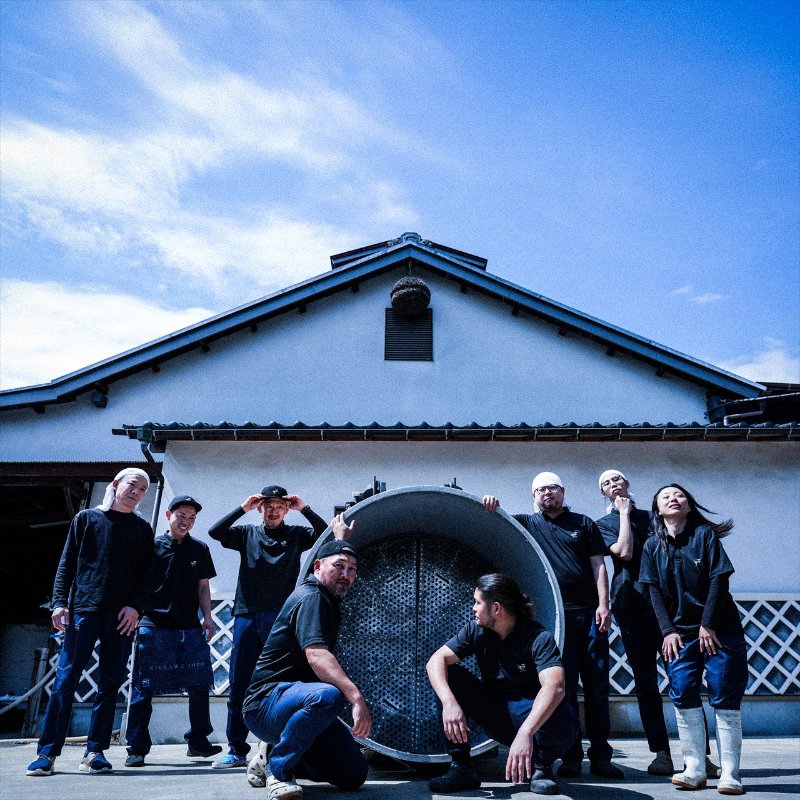
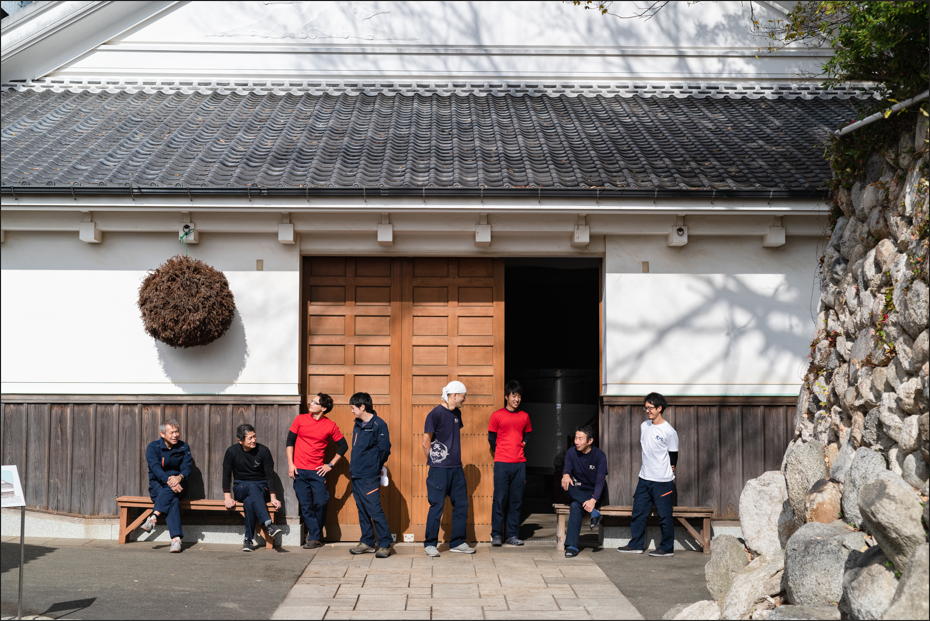
Photo: Asamai Shuzo
The sake is placed into pressing bags and slowly pressed inside a traditional pressing vat. It is a time-consuming and labor-intensive process, but this slow and gentle approach allows Asamai to preserve the natural umami of the rice.
Because every drop of sake takes time.